For a VoIP provider entering or operating in the U.S. telecommunications market, regulatory registration is one of the areas that should be understood before scaling a service.
Three terms frequently appear together: FCC Form 499-A, the 499 Filer ID, and the Robocall Mitigation Database (RMD). They are related, but they are not the same thing.
FCC Form 499-A is the Telecommunications Reporting Worksheet used for telecommunications-provider registration and annual reporting. A 499 Filer ID is the six-digit identifier associated with an entity filing FCC Forms 499-A/Q. The Robocall Mitigation Database is a separate FCC database and compliance framework related to voice-service providers, intermediate providers and robocall mitigation.
USAC states that telecommunications service providers must register with both the FCC and USAC when entering or anticipating entry into telecommunications markets, subject to applicable rules and exemptions. USAC's current registration guidance says a provider must first have an FCC Registration Number (FRN), then use USAC's E-File system to register for a 499 Filer ID. For VoIP providers, understanding these systems is essential.
01Why FCC Registration Matters
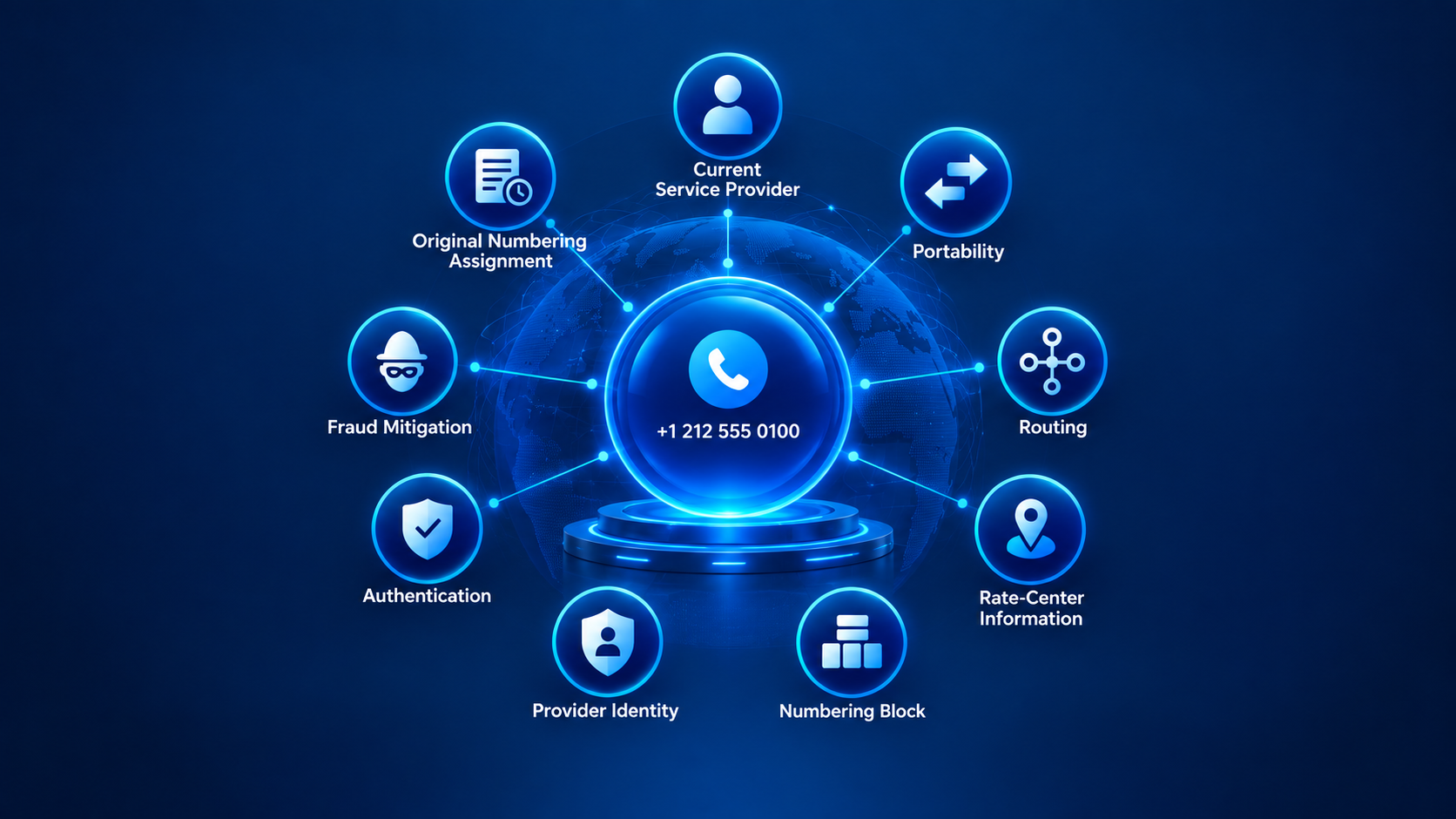
Every U.S. telecommunications provider operates within a regulatory identity system. That identity is not a single number or a single form. It can involve an FCC Registration Number, a 499 Filer ID, numbering identifiers, a designated D.C. Agent, and RMD certification, depending on the provider's activities.
When a company launches interconnected VoIP service, routing systems and carrier partners need to know who the company is, how it is registered, and whether it meets its robocall mitigation obligations. When USAC calculates contribution obligations, it needs accurate Filer information. When the FCC reviews robocall compliance, it checks the RMD.
Different systems handle these responsibilities. This guide walks through each one and how they connect.
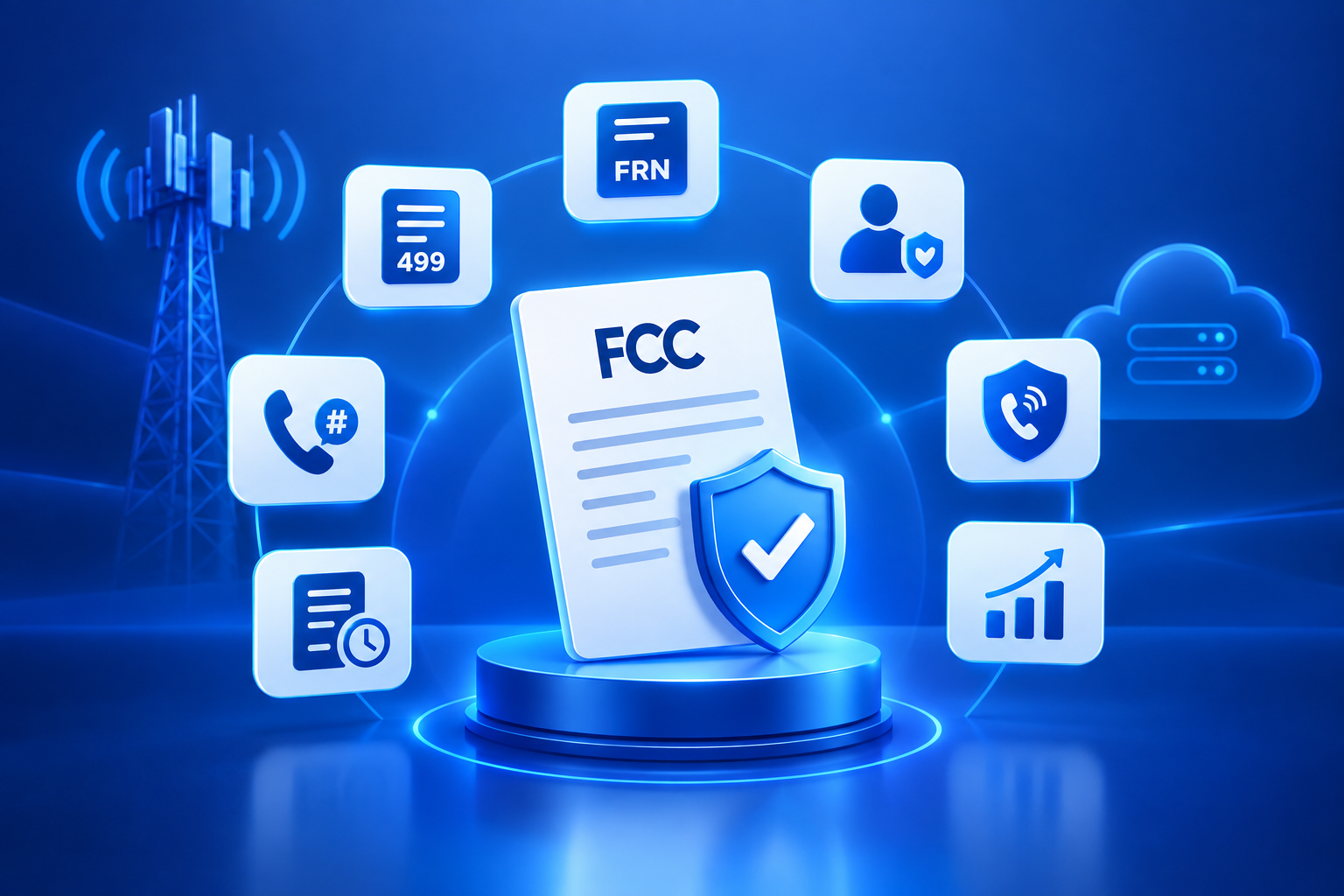
What a provider's regulatory identity can include
Depending on its activities, a telecom or VoIP provider's regulatory file can involve:
- ✓FCC Registration Number (FRN)
- ✓499 Filer ID
- ✓legal name, EIN and DBA
- ✓designated D.C. Agent
- ✓Robocall Mitigation Database certification
- ✓STIR/SHAKEN implementation status
- ✓applicable numbering identifiers
- ✓ongoing annual and quarterly filings
02What Is FCC Form 499-A?
FCC Form 499-A is known as the Telecommunications Reporting Worksheet. It is administered through the FCC/USAC regulatory framework and is used by telecommunications providers for registration and reporting purposes.
The current 2026 Form 499-A instructions identify fields covering the filer's identity, its telecommunications activities, and its regulatory contacts. The form therefore does considerably more than simply report revenue — it is also part of a provider's regulatory identity and ongoing filing obligations.
What the form collects
The 2026 Form 499-A instructions identify fields including:
- ✓Filer 499 ID
- ✓legal name
- ✓EIN
- ✓DBA
- ✓telecommunications activities
- ✓FCC Registration Number
- ✓company officer information
- ✓contact information
- ✓designated D.C. Agent information
- ✓revenue and other reporting information
03What Is a 499 Filer ID?
A 499 Filer ID is a six-digit identifier assigned by USAC to an entity that files FCC Forms 499-A/Q. USAC's glossary explicitly defines the 499 Filer ID as a six-digit identification number assigned to each entity filing the FCC Forms 499-A/Q. For a new provider, the Filer ID is assigned after the initial registration process.
FCC FRN vs 499 Filer ID
These identifiers are frequently confused. The FCC Registration Number (FRN) identifies an entity in the FCC's CORES system. The 499 Filer ID identifies an entity for the FCC Form 499 filing process. The FRN and Filer ID should not be treated as interchangeable.
A company first obtains an FCC FRN in CORES, then registers through USAC's E-File system to be assigned its 499 Filer ID. The two identifiers serve different systems and should not be used interchangeably.
Who needs a 499 Filer ID?
The exact obligation depends on the company's telecommunications activities and applicable FCC/USAC rules. USAC's current guidance states that non-exempt telecommunications providers must register for a 499 Filer ID, including VoIP service providers and resellers. USAC also notes that certain entities can be exempt from particular contribution obligations while still having Form 499 filing requirements. This is why companies should not determine their obligations solely from whether they consider themselves "a VoIP company" — the actual service model matters.
Interconnected VoIP is particularly relevant here. An interconnected VoIP service generally connects to the public switched telephone network and supports communications using telephone numbers. A company selling SIP trunks, DIDs and voice termination should not assume that its regulatory obligations are identical to those of a software-only communications application.
04How to Obtain a 499 Filer ID
USAC provides a defined registration process. It typically takes two to three business days, although incomplete or incorrect information can cause delays.
USAC states the process typically takes two to three business days, although incomplete or incorrect information can cause delays.
What information does registration require?
The current Form 499-A documentation contains a substantial amount of company information, including:
- ✓legal company name
- ✓EIN
- ✓DBA
- ✓FRN
- ✓telecommunications activity
- ✓affiliated filer information
- ✓business address
- ✓company officers
- ✓contacts
- ✓D.C. Agent
The specific fields depend on the provider's circumstances. This is why a company should prepare its legal and regulatory information before beginning the filing.
05What Is the D.C. Agent?
Carriers and VoIP providers subject to the relevant FCC Form 499-A requirements must designate a D.C. Agent for service of process. The 2026 FCC Form 499-A instructions state that carriers, interconnected VoIP providers and non-interconnected VoIP providers must provide information for their designated D.C. Agent.
The instructions also state that new carriers and VoIP providers must identify an agent for service of process and register with the FCC within 30 days of providing service. This is an important compliance detail and should not be confused with a company's general registered-agent arrangements for corporate or state purposes.
06The Robocall Mitigation Database
The Robocall Mitigation Database (RMD) is an FCC database associated with robocall mitigation and caller-ID authentication requirements. The FCC's January 2026 RMD FAQ states that all voice service providers and intermediate providers, including gateway providers, are required to file in the RMD. It also states that the requirement applies to VoIP resellers and MVNOs that meet the applicable definitions. This makes RMD highly relevant to modern voice providers.
Why was the RMD created?
The RMD was established to promote transparency around robocall mitigation. Voice providers need processes that can include:
RMD and STIR/SHAKEN
| Framework | What it is |
|---|---|
| STIR/SHAKEN | A caller-ID authentication framework used to sign and verify calls. |
| RMD | An FCC database and certification mechanism for robocall mitigation and provider compliance. |
A provider may therefore need to understand both. The FCC has required providers to address STIR/SHAKEN implementation and robocall mitigation in their RMD certifications, depending on the applicable category and requirements.
Why RMD status matters to carriers
RMD compliance has practical consequences. The FCC's enforcement actions demonstrate that RMD is not merely a passive database.
07Filing Types & Compliance Workflow
Another common confusion is between Form 499-A and Form 499-Q.
| Form | What it covers |
|---|---|
| Form 499-A | Annual Telecommunications Reporting Worksheet. USAC currently lists April 1 as the annual due date. |
| Form 499-Q | Quarterly Telecommunications Reporting Worksheet, filed on USAC's published quarterly due dates. |
The exact filing obligation depends on the provider's status and applicable contribution requirements. Registration and filing requirements should also not be confused with the amount a company ultimately contributes — USAC determines contribution obligations based on the relevant rules and reported revenues, and some entities can be exempt from certain contribution obligations while still having Form 499-A filing requirements.
A practical compliance workflow
A provider entering the U.S. voice market can think about the process in layers, from corporate identity through to ongoing filing and compliance.
This is a conceptual workflow, not a substitute for legal or regulatory advice. The exact obligations depend on the provider's services and regulatory status.
What should a VoIP provider maintain internally?
A serious telecom provider should maintain a regulatory file containing:
- ✓legal entity information and EIN
- ✓FCC FRN and 499 Filer ID
- ✓OCN and Company Code where applicable
- ✓D.C. Agent information
- ✓RMD registration information
- ✓STIR/SHAKEN information
- ✓carrier agreements and numbering documentation
- ✓compliance contacts and verification procedures
08Common Registration Mistakes
Confusing the FRN and the Filer ID
They are different identifiers issued through different systems and should not be used interchangeably.
Using a personal address instead of proper business information
Regulatory forms should contain the information required by the current instructions.
Ignoring the D.C. Agent requirement
For covered carriers and VoIP providers, D.C. Agent information is a required part of Form 499-A registration.
Treating initial registration as the end of compliance
A Filer ID creates ongoing annual and quarterly filing responsibilities.
Forgetting to update material information
USAC/FCC requirements include processes for updating registration information when it changes.
Treating RMD as optional once STIR/SHAKEN is implemented
The two frameworks are related but separate, and RMD certification is a distinct requirement.
Relying on outdated requirements
FCC and USAC rules evolve — always verify the current instructions before filing.
09Why It Matters to NexGen Voice
For a company operating in VoIP, SIP trunking, DID numbers and wholesale telecommunications, FCC and USAC registration is relevant because carrier relationships and numbering access depend on accurate regulatory standing. A professional VoIP provider should understand:
- ✓FCC FRN registration
- ✓499 Filer ID obligations
- ✓the D.C. Agent requirement
- ✓RMD certification
- ✓STIR/SHAKEN's relationship to RMD
- ✓annual vs quarterly filings
- ✓numbering and carrier identification
- ✓ongoing recordkeeping
Understanding these systems is therefore part of understanding how modern U.S. telecommunications compliance works.
This guide is educational. It does not describe NexGen Voice's own Filer ID, RMD registration, or other regulated filings. For questions about a specific service, contact our team.
10Frequently Asked Questions
FCC Form 499-A is the Telecommunications Reporting Worksheet used by telecommunications providers for registration and annual reporting under the applicable FCC/USAC framework.
It is a six-digit identifier assigned by USAC to an entity filing FCC Forms 499-A/Q.
Generally, a provider first obtains an FCC FRN and then completes the initial registration through USAC's E-File system. USAC reviews the submission and assigns the Filer ID.
No. The FRN identifies an entity in FCC CORES; the 499 Filer ID identifies an entity within the Form 499 filing system.
The Robocall Mitigation Database is an FCC database involving voice-service and intermediate-provider robocall mitigation and caller-ID authentication compliance.
The FCC's current RMD FAQ states that VoIP resellers meeting the applicable definition of a voice service provider must file in the RMD.
No. STIR/SHAKEN is a caller-ID authentication framework; RMD is an FCC database and certification framework.
A designated agent in the District of Columbia who can accept service of process for the covered provider in accordance with the applicable FCC requirements.
USAC currently lists April 1 as the annual Form 499-A due date, with Form 499-Q filed quarterly.
Yes. Providers should monitor their FCC/USAC information and update it when required under the applicable rules and instructions.
11Conclusion
FCC Form 499-A, the 499 Filer ID and the Robocall Mitigation Database are important parts of the U.S. telecommunications compliance environment. They should not be treated as three names for the same thing.
The Filer ID identifies the entity within the Form 499 filing system. The FCC FRN identifies the entity in FCC CORES. The RMD addresses robocall mitigation and related voice-provider compliance requirements. STIR/SHAKEN provides another layer of caller-ID authentication.
For a professional VoIP provider, understanding how these systems interact is important for carrier relationships, compliance management and long-term operational stability. Because telecommunications regulations evolve, providers should always verify current FCC and USAC requirements before relying on a published checklist or filing procedure.
Further reading from authoritative sources: FCC, USAC and the iconectiv STI-PA resources.
.webp)